How Often Should You Groom Your Dog? Frequency Guide by Breed
Most dog owners know grooming matters. Far fewer know how often their specific dog actually needs it — and waiting too long is where most coat and skin problems start.
This guide breaks down grooming frequency by coat type, covers the most popular breeds in the Bradenton and Sarasota area, and explains why Florida's climate means your dog probably needs grooming more often than the standard advice suggests. For a deeper look at what regular grooming does for your dog's health, see The Benefits of Dog Grooming.
The Short Answer
Most dogs need professional grooming every 4 to 8 weeks. Dogs with long or curly coats (Doodles, Poodles, Shih Tzus) need grooming every 4 to 6 weeks. Short-coated breeds (Labs, Beagles, Frenchies) can typically go 6 to 8 weeks between full grooms, though they still benefit from regular baths and brushing. In Florida's heat and humidity, those timelines often run shorter. More on that below.
Grooming Frequency by Coat Type
The American Kennel Club recommends that most dogs be groomed at least once a month, with frequency depending heavily on coat type. Here's how that breaks down in practice:
| Coat Type | Example Breeds | Recommended Frequency |
|---|---|---|
| Short & smooth | Labrador Retriever, French Bulldog, Beagle, Boxer | Every 6–8 weeks |
| Double coat | Golden Retriever, Australian Shepherd, Husky, Bernese Mountain Dog | Every 6–8 weeks; more during shedding seasons |
| Long & silky | Shih Tzu, Maltese, Yorkshire Terrier, Cocker Spaniel | Every 4–6 weeks |
| Curly & wavy | Poodle, Goldendoodle, Labradoodle, Bernedoodle | Every 4–6 weeks |
| Wire coat | Schnauzer, Jack Russell Terrier, Brussels Griffon | Every 6–8 weeks |
| Hairless | Chinese Crested, Xoloitzcuintli | Monthly baths; skin care as needed |
If your dog's coat type isn't listed, the rule of thumb is this: the longer and curlier the coat, the more often it needs professional attention. You can also explore AKC breed-specific grooming guides for detailed care information on individual breeds.
Most Popular Breeds
Goldendoodles and Labradoodles
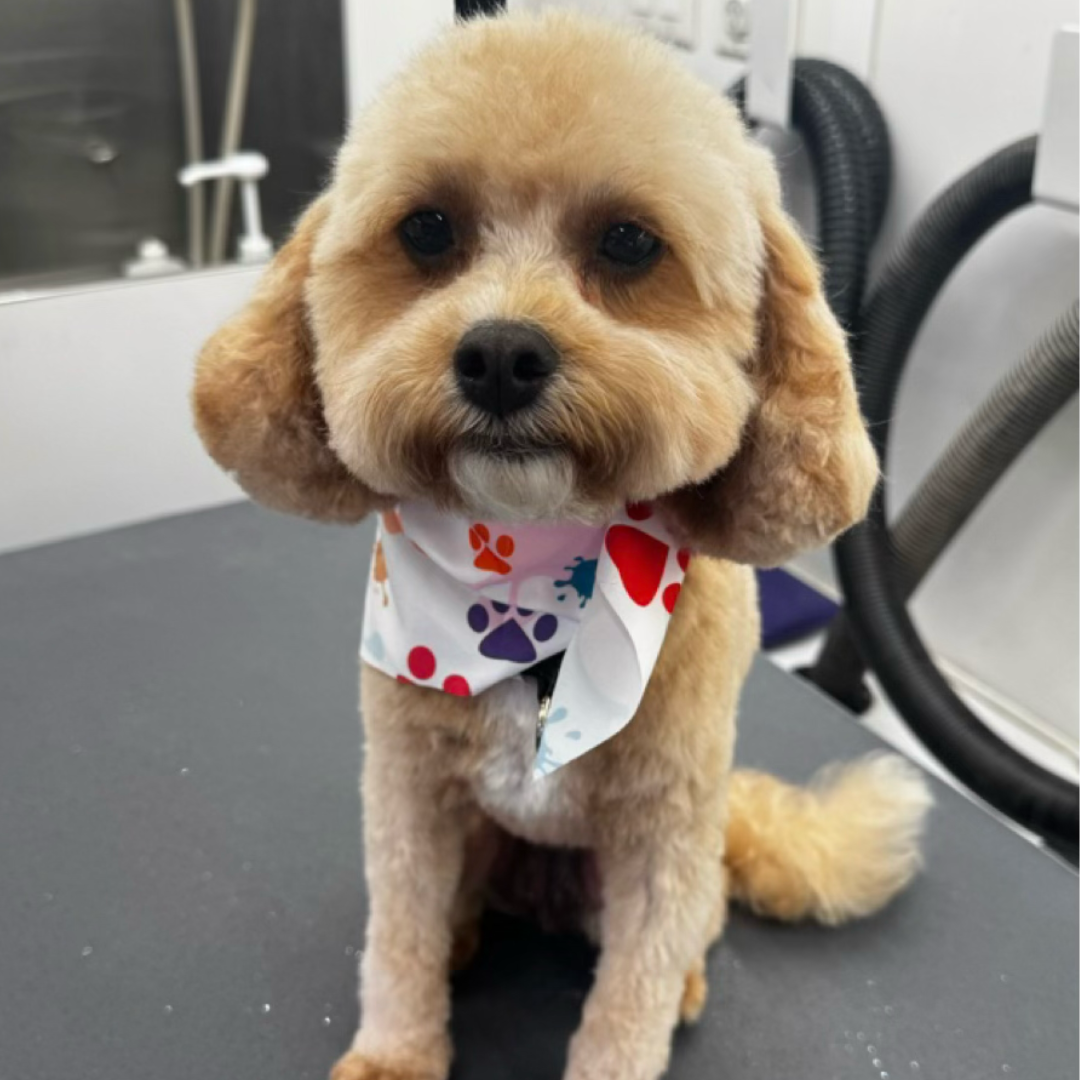
Doodles are one of the most popular breeds in our service area — and one of the most misunderstood when it comes to grooming. Their curly or wavy coats don't shed like a Lab's, which sounds low-maintenance. The catch is that loose hair gets trapped in the curl rather than falling to the floor. Without regular brushing and grooming, that trapped hair mats fast, especially behind the ears, under the collar, and around the legs.
Recommended frequency: Every 4 to 6 weeks.
A Doodle that goes longer than 8 weeks without a groom often requires a dematting session or a shorter shave-down than the owner wanted. Staying on schedule keeps their coat longer and the experience more comfortable.
Golden Retrievers
Goldens shed year-round and blow their coat twice a year, usually in spring and fall. During those periods, the volume of loose undercoat is remarkable. Regular grooming removes dead undercoat before it mats or creates hot spots under the surface coat.
Recommended frequency: Every 6 to 8 weeks, with more frequent visits during shedding season.
Labrador Retrievers
Labs have short, dense double coats that shed constantly. A bath, blow-out, and deshed treatment every 6 to 8 weeks dramatically reduces the hair in your house and keeps their skin healthy.
Recommended frequency: Every 6 to 8 weeks.
French Bulldogs
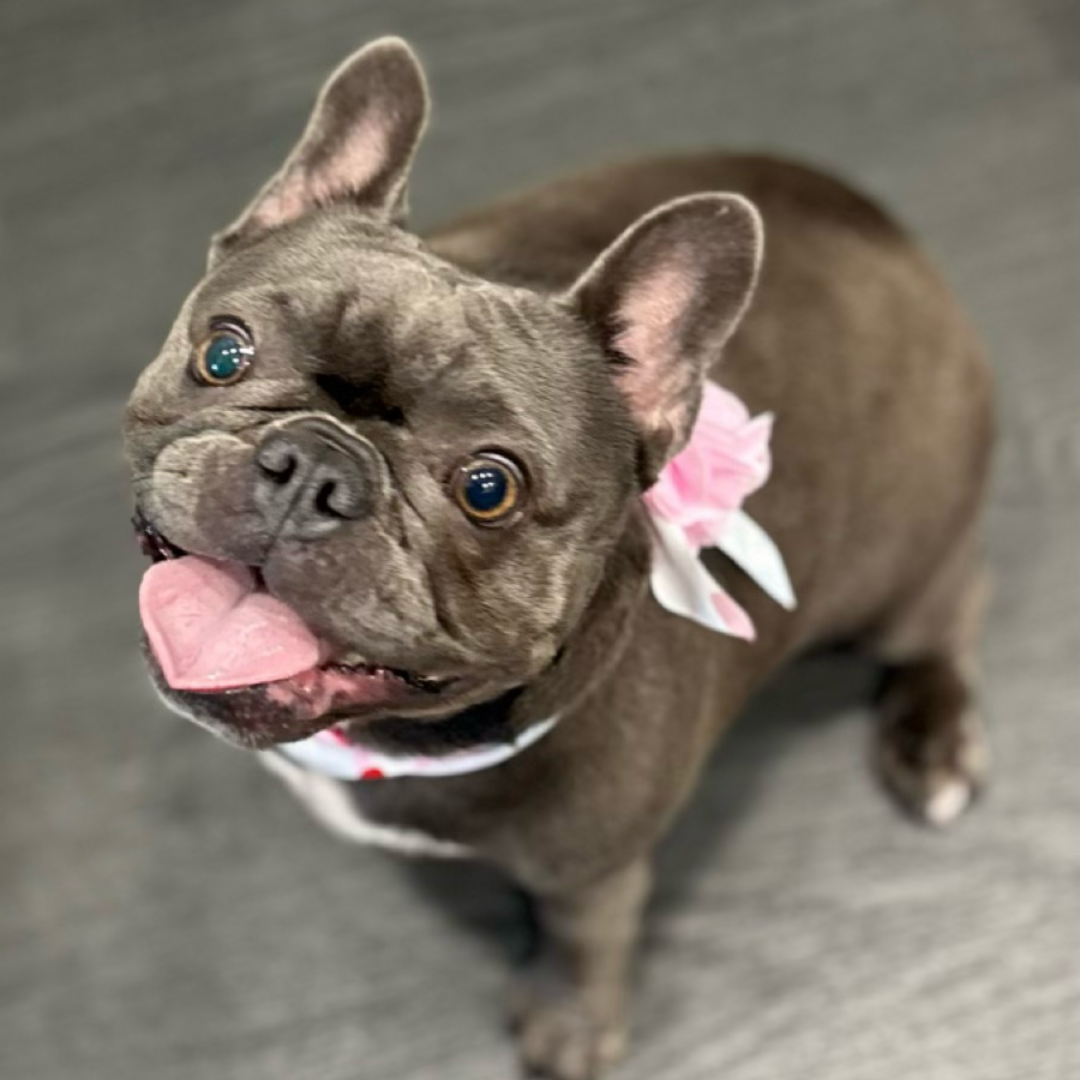
Frenchies have short, smooth coats that don't require trimming, but their skin folds need regular attention. Dirt and moisture collect in the wrinkles around the face and tail pocket, which can lead to irritation and infection if left unchecked. Grooming appointments give a professional a chance to clean those areas properly.
Recommended frequency: Every 6 to 8 weeks.
Shih Tzus and Maltese
These small, long-coated breeds need consistent grooming to stay comfortable. Their fine, silky coats mat quickly around the face, legs, and underbelly. Most owners choose a shorter "puppy cut" to reduce maintenance between visits.
Recommended frequency: Every 6 to 8 weeks.
Schnauzers (Miniature and Standard)
Schnauzers have a distinctive double coat — a softer undercoat with a wiry topcoat. Their beard and eyebrows grow quickly and can obstruct vision if left too long. Hand-stripping or clipping keeps their look sharp and coat healthy.
Recommended frequency: Every 6 to 8 weeks.
Why Florida Changes the Equation
Standard grooming advice assumes a temperate climate. Bradenton and Sarasota are not temperate. Here's what heat and humidity do to your dog's coat and skin:
Matting happens faster. Humidity adds moisture to the coat, which causes hair to clump and tangle more quickly than in dry climates. A Doodle on an 8-week schedule in Ohio may need a 5-week schedule here to avoid the same matting problems.
Skin conditions are more common. Hot, humid conditions create the environment bacteria and yeast thrive in, particularly in dogs with skin folds, dense undercoats, or coats that trap moisture. Regular grooming — including thorough drying — keeps skin issues from developing.
Fleas and ticks are a year-round problem. Florida doesn't get a winter that kills off parasites. The ASPCA recommends year-round prevention for dogs in warm climates, and grooming appointments provide a consistent opportunity to check your dog's coat, catching problems before they become infestations.
Ear infections are more frequent. Dogs who swim in the Gulf, play in sprinklers, or just sweat in the Florida heat are more prone to ear infections. Ear cleaning is part of every mobile grooming appointment and catches early signs of infection before they become painful.
If you've been following the grooming schedule that came with your breed's care guide and it was written for a northern climate, consider moving to the shorter end of the recommended range.
Signs Your Dog Is Overdue for a Groom
You don't always need to count weeks. Your dog will tell you when it's time:
- Visible mats or tangles, especially behind the ears, under the collar, in the armpits, and around the groin
- Nails clicking on hard floors — nails should be quiet on tile and hardwood
- Shaking their head or scratching their ears more than usual
- A smell that persists even after a bath at home
- Excessive shedding around the house
- Discharge or crust around the eyes in breeds prone to tear staining
- Coat that looks dull or flat rather than shiny and full
Any of these is a signal to book sooner rather than later.
Between Professional Grooms: What to Do at Home
Professional grooming keeps the foundation solid. Between appointments, a few minutes of home maintenance makes a real difference.
Brush regularly. For curly and long-coated breeds, 3 to 4 times per week prevents the mats that shorten coats and raise grooming costs. Short-coated breeds benefit from a weekly brush-out to manage shedding.
Check ears weekly. Look for redness, odor, or discharge. In Florida's climate, catching an early ear infection at home beats treating a bad one at the vet.
Wipe face folds. For Frenchies, Bulldogs, Pugs, and similar breeds, a gentle wipe of the skin folds a few times a week prevents buildup.
Watch the nails. If you hear clicking on hard floors, nails are too long. Most dogs need nail trims every 3 to 4 weeks, which can be done at a grooming appointment or as a standalone service.
How Mobile Grooming Helps You Stay on Schedule
One of the most common reasons dogs fall behind on grooming is logistics. Coordinating a drop-off, waiting a few hours, and picking back up takes a chunk of the day. For families, working pet owners, or anyone with a dog that gets anxious in the car, that friction adds up to skipped appointments.
Mobile grooming removes that friction. Howling Hounds comes to your driveway. You don't rearrange your schedule, your dog doesn't ride in the car, and the whole appointment is one-on-one — no waiting with other dogs. For anxious dogs, elderly dogs, and dogs who've had stressful salon experiences, the difference is significant. Not sure which grooming format is right for your dog? See our mobile grooming vs. salon grooming comparison.
When grooming is this easy to schedule, staying on the right timeline becomes the default instead of the exception. Wondering what to budget? Our dog grooming pricing guide breaks down what to expect by breed and service type.
Ready to Book?
If you're in Manatee or Sarasota County, Howling Hounds offers professional mobile dog grooming right at your door. Our groomers know the breeds common to this area and understand the specific challenges of keeping dogs healthy in Florida's climate.
Book online today — we come to you.
We serve the following areas in Manatee, Sarasota, and South Hillsborough Counties:
Share this article